How translucent silicone coatings help protect historic buildings and architectural features while preserving appearance and performance.
Restoration projects often require a careful balance between improving performance and preserving what makes a building unique.
For historic landmarks, architectural features, and visually distinctive façades, traditional repair methods may not always be the right solution. Replacing original materials can alter the appearance of a structure, while invasive repairs can be costly, disruptive, and time-consuming.
Translucent silicone coatings provide an alternative approach, helping protect existing building materials from water intrusion while maintaining the visual character of the original design.
From historic metal roofs and masonry façades to glass block walls and skylight systems, Optic™ Translucent Coating has helped solve complex waterproofing challenges across a range of architectural applications.
Water intrusion can affect buildings through a variety of pathways, including cracks, deteriorated joints, gaps, and absorption through porous materials.
Traditional waterproofing solutions often require significant intervention, such as removing and replacing façade materials, rebuilding masonry assemblies, or extensive repointing. While these approaches may address specific issues, they can also introduce challenges:
Penetrating sealers may help reduce water absorption but typically cannot address larger leak paths or bridge cracks within the substrate.
A translucent silicone coating offers a different approach by creating a protective membrane over the surface while maintaining vapor permeability and allowing the underlying material to remain visible.
Every restoration project has unique requirements. Some buildings require protection of historic materials, while others need solutions that maintain light transmission, preserve appearance, or extend the service life of existing systems.
Optic Translucent Coating has been used across a range of applications, including:
The following projects demonstrate how translucent silicone technology can help address water intrusion challenges while preserving architectural intent.
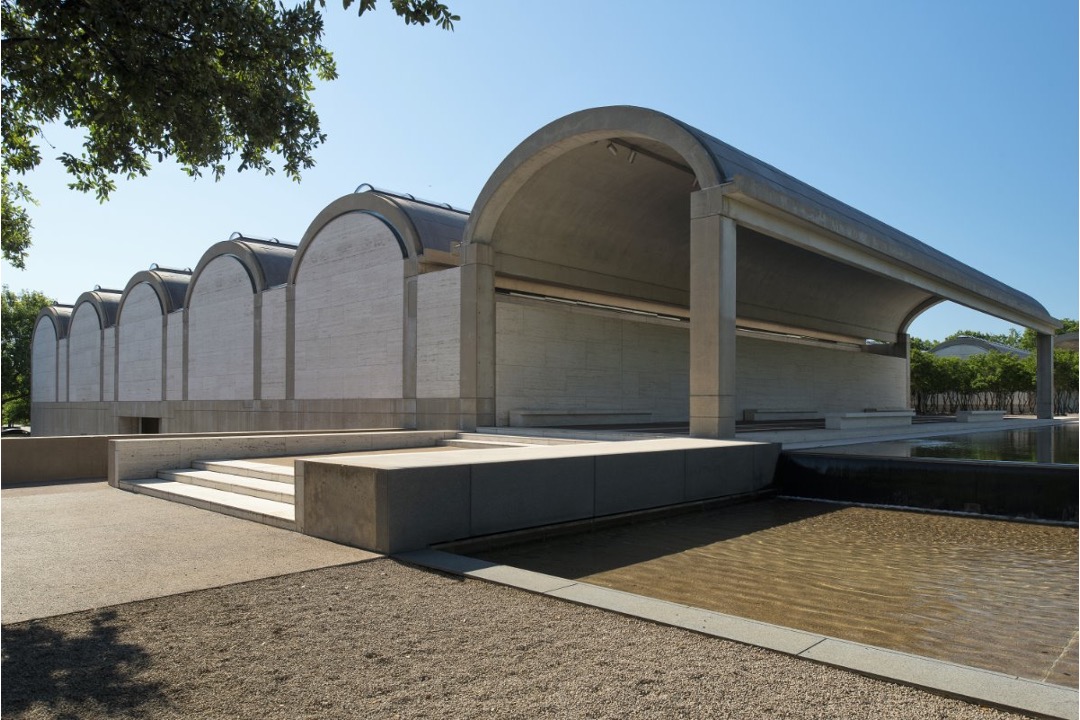
The Kimbell Art Museum in Fort Worth, Texas, is considered one of architect Louis Kahn’s most significant works. Completed in 1972, the building is recognized for its vaulted concrete structures, carefully controlled natural lighting, and distinctive lead-coated copper roof system.
When the museum sought a solution to help prevent lead runoff from the roof surface, preserving the appearance of the original design was a critical consideration.
A translucent silicone coating was selected to help encapsulate the metal roof while maintaining the visual characteristics of the lead-coated copper sheathing.
More than ten years after installation, the roof and coating system remained in excellent condition, demonstrating long-term silicone coating performance in a demanding exterior environment.
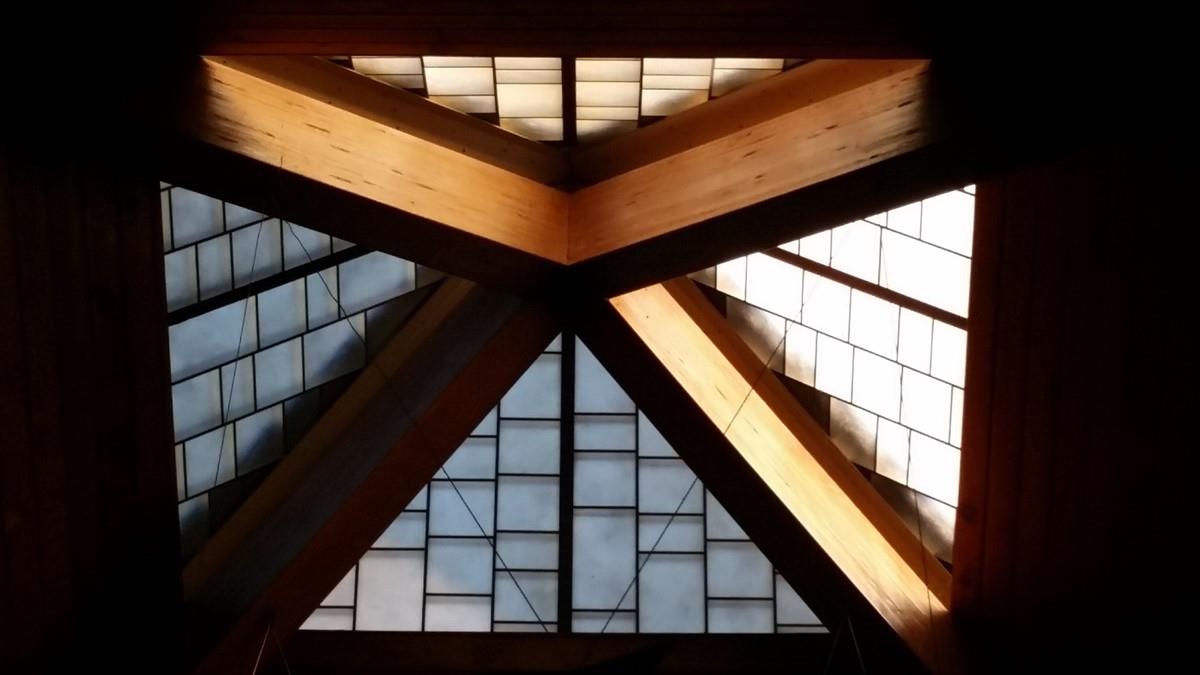
Skylights provide valuable natural lighting but can present unique challenges as materials age and weather exposure takes its toll.
At Faith Lutheran Church in Troy, New York, deteriorating Kalwall® fiberglass skylights on the church steeple required restoration. The solution needed to improve waterproofing performance while maintaining the ability for light to pass through the skylight system.
The translucent coating helped restore the skylights by creating a protective waterproof membrane while preserving the original daylighting benefits of the structure.
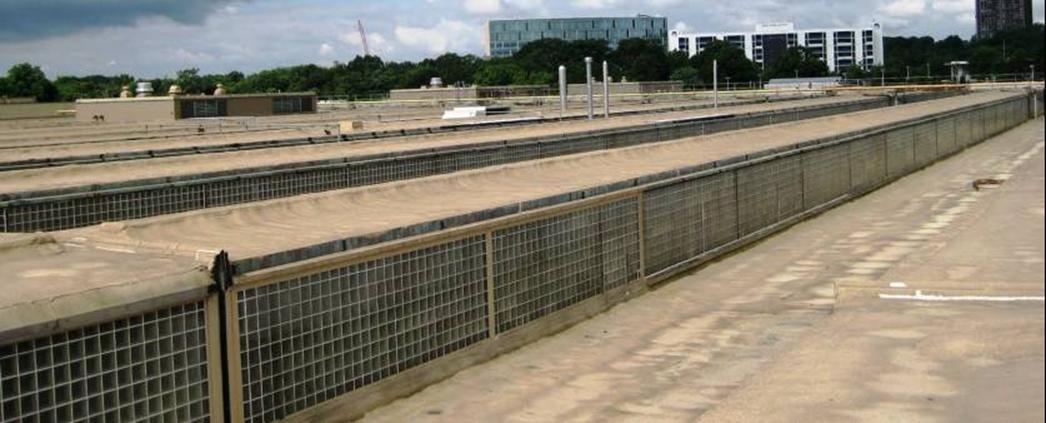
Glass block offers distinctive architectural appeal and natural light transmission, but aging systems can become vulnerable to water intrusion.
At 2401 in Long Island City, New York, a translucent silicone coating was applied to the glass block wall system to help protect against weather exposure and water infiltration.
The coating helped maintain the appearance and functionality of the existing glass block façade while providing additional weather protection.
Masonry and concrete buildings can experience water intrusion due to cracks, deteriorated joints, and natural absorption through porous materials.
For these applications, maintaining the original appearance of the façade is often a key consideration.
Translucent silicone coating technology has been used on several restoration projects, including:
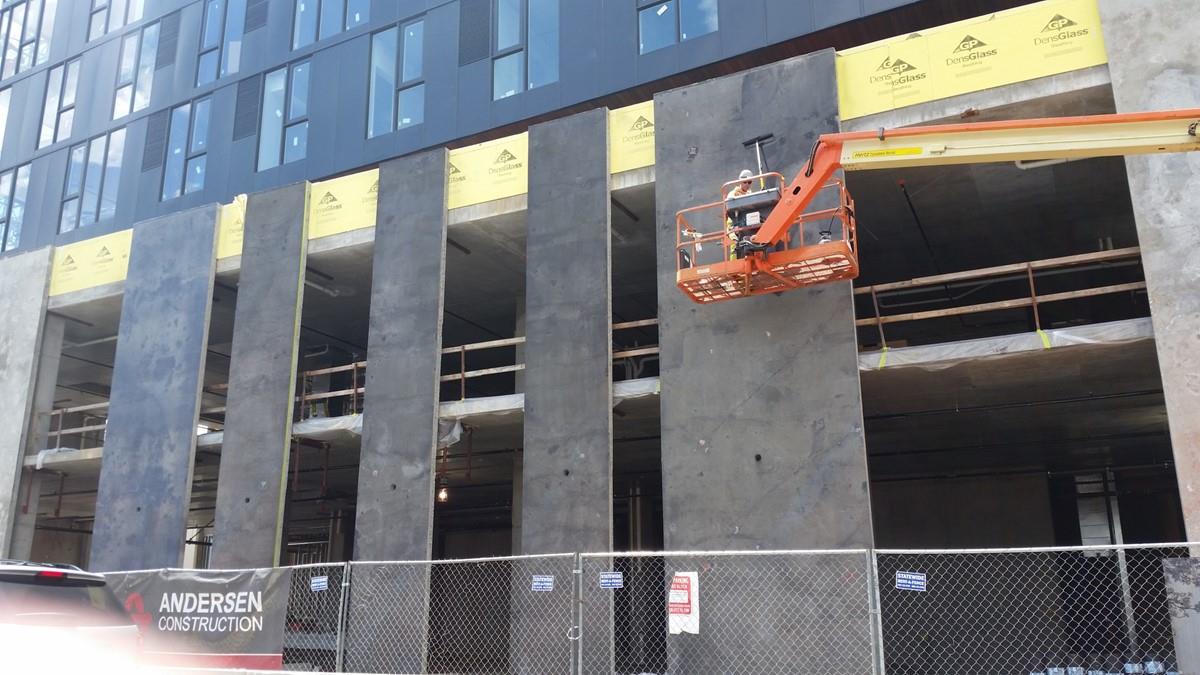
Distressed precast concrete panels were restored with a protective coating designed to help improve weather resistance while preserving the appearance of the original façade.
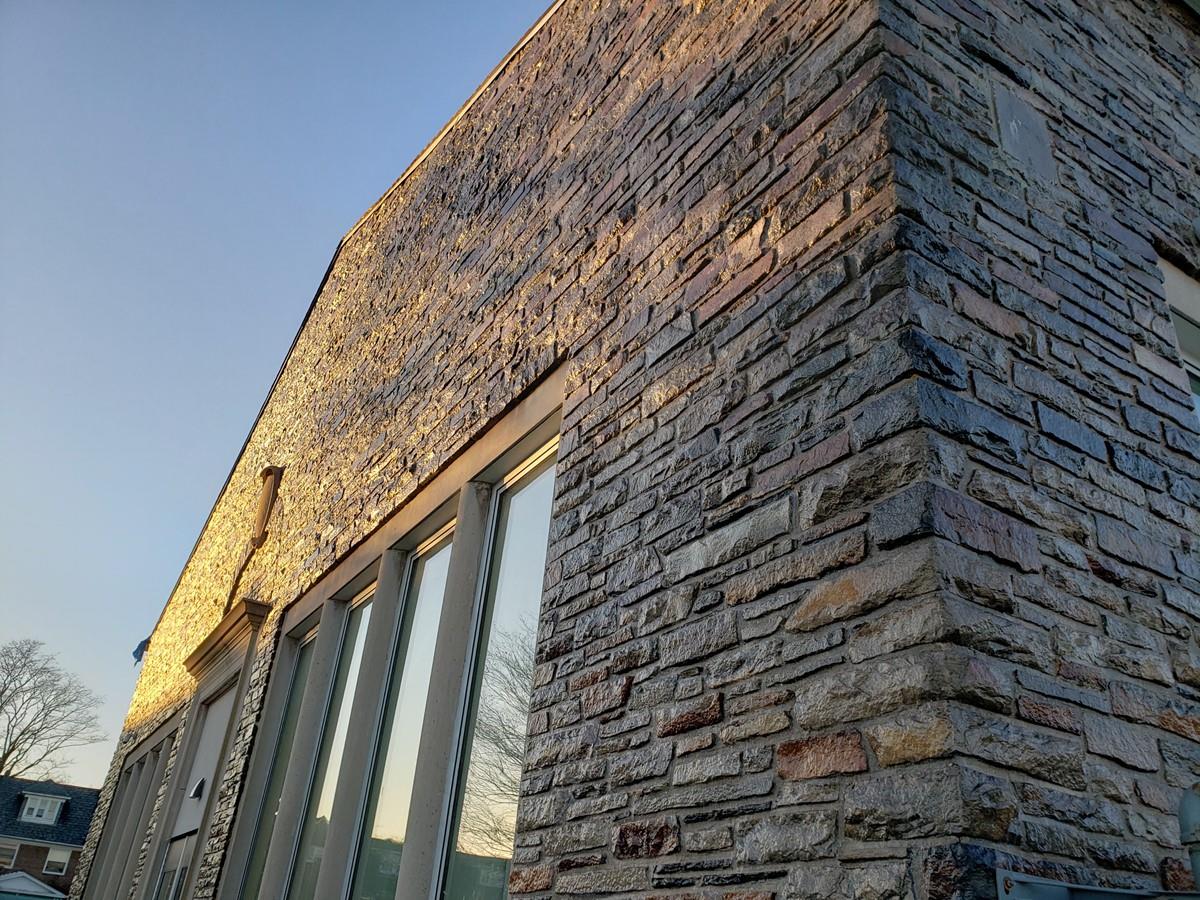
The school’s natural stone façade was protected with a translucent coating designed to provide long-term weather protection while maintaining the beauty of the existing material.
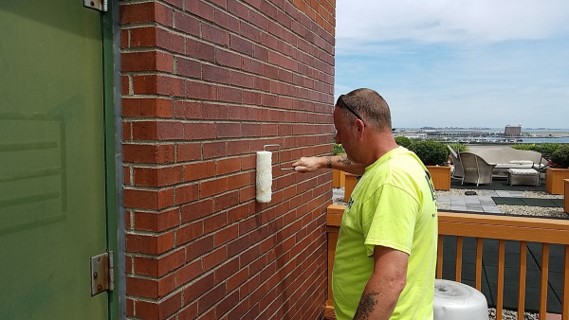
Originally constructed in 1911 as a warehouse, Mariner Condominiums was later converted into luxury residences. Located along Boston Harbor, the building’s solid brick façade had experienced water intrusion challenges for more than 20 years due to exposure to severe coastal weather conditions.
Previous waterproofing attempts, including penetrating sealers and other coating options, were unsuccessful.
A translucent silicone coating was selected because it provided a way to protect the historic brick façade without significantly changing its appearance. The system successfully passed wind-driven rain testing at 10 psf, equivalent to approximately 60 mph wind conditions, for 60 minutes.
The project demonstrated how restoration coatings can help extend the service life of existing façades while preserving historic character.
Designed for demanding restoration and waterproofing applications, Optic Translucent Coating creates a clear 100% silicone membrane that helps provide long-term protection while maintaining the appearance of the underlying substrate.
Key benefits include:
Restoration projects often require solutions that minimize disruption while supporting long-term performance.
The coating can be applied with minimal surface preparation and is designed for efficient installation using roller, power roller, spray, or brush application methods.
Additional application benefits include:
These characteristics help support installation across a wide range of restoration and waterproofing projects.
What is a translucent silicone coating?
A translucent silicone coating is a clear protective membrane designed to help waterproof building surfaces while allowing the appearance of the underlying material to remain visible.
Where can translucent silicone coatings be used?
Translucent silicone coatings can be used on a variety of substrates, including metal roofs, masonry, glass block, skylights, concrete, and other architectural surfaces where preserving appearance is important.
Can silicone coatings help protect historic buildings?
Yes. Silicone coatings can help protect historic and architecturally significant buildings by improving weather resistance while minimizing changes to the original appearance.
How do silicone coatings help prevent water intrusion?
Silicone coatings create a continuous protective barrier designed to resist liquid water and wind-driven rain while maintaining vapor permeability.
Why choose a translucent coating instead of a traditional waterproof coating?
A translucent coating allows the original substrate and architectural details to remain visible, making it well suited for projects where appearance and preservation are important considerations.
Performance results are those of customer reported accounts, and are not to be relied upon as typical or expected under any other circumstances. Performance results will vary depending upon a number of process-related factors. Prospective customers should rely solely upon their own evaluative techniques to determine what processing parameters are attainable and optimal to their specific needs. Further note that Momentive is not endorsed by or affiliated with any ownership authority of those mentioned above.

P.E., CSI, Application Development Leader at Momentive Performance Materials Inc. Member: IIBEC, ASTM C24, ISO TC59/SC8
With over 25 years of global experience in construction sealants, adhesives, and coatings, Errol is an expert in structural glazing, sealant performance. He holds a Bachelor of Science in Architectural Engineering and a Master of Science in Civil Engineering.
Connect with our silicones for building specialists for expert advice tailored to your needs, or discuss your project with a local sales representative today to discover the best solutions and insights.
Our document center has a comprehensive range of product information, technical documentation, certification, brochures and sell sheets, alongside relevant product case studies and more.
Explore our DocumentationStay in the loop with exclusive industry insights, product news, webinars and events.


